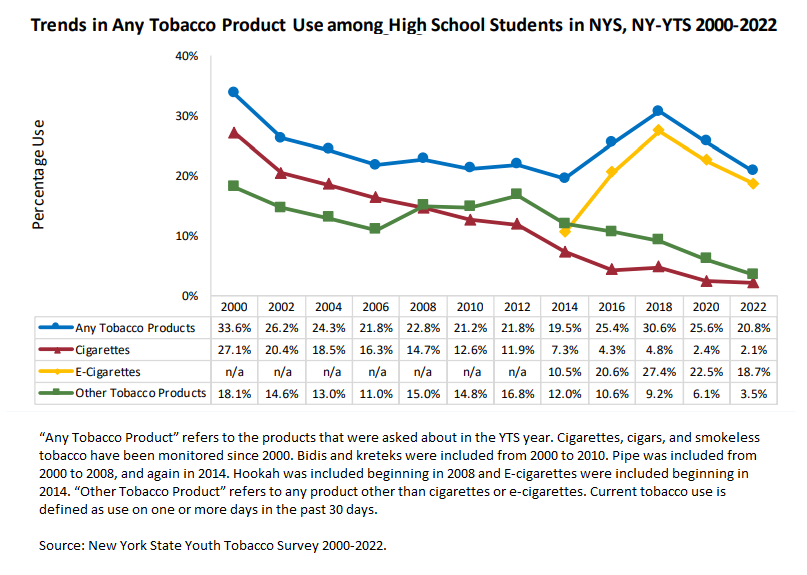
California has enacted legislation banning the sale and manufacturing of single-use, battery-powered tobacco vapes to curb hazardous electronic waste and sanitation fire risks. The new law establishes a phased timeline, halting manufacturing by 2027 and retail sales by 2028, offering a potential policy framework relevant to waste management challenges in New York. Every year, 178.7 million disposable vapes are sold in the United States. And every second Americans throw away 5.7 of these vapes. The lithium batteries are prone to explosions and fires when they are even slightly damaged. The nicotine e-liquid is an acute hazardous waste under the Resource Conservation and Recovery Act (RCRA) and related regulations. This is due to the elevated risk of death or permanent injury when concentrated nicotine touches human skin. The heating coils that aerosolize the liquids are made of heavy metals and carcinogenic materials, like nickel and lead. The plastic body encasing all other components is not meant for recycling or reclaiming. These vape products often end up littered on the ground or at landfills, where they release microplastics and various types of hazardous leachates into the soil, water, and groundwater. Even when they end up in the proper waste stream, the most common way to dispose of these devices is incineration, adding to the release of particulate matter and carbon emissions. This rapid production of hazardous waste has created a massive cost-prohibitive toxic problem for communities and local governments across the nation. It is a problem that requires wide-scale solutions that cut the problem at the source. Read the full story here.
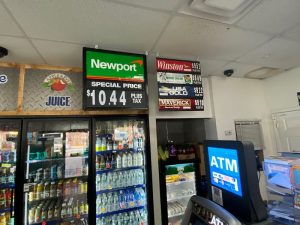

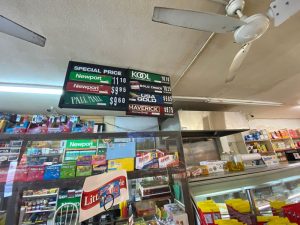
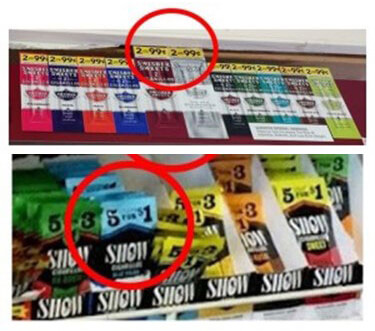
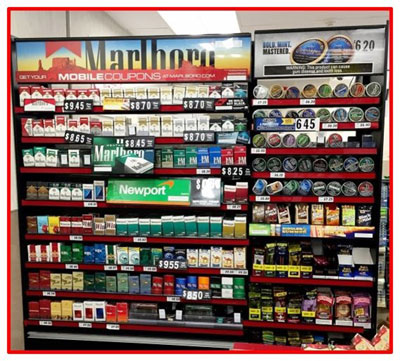 To the left is a typical tobacco product display. If you don’t use tobacco, you may not even notice, but kids do. Kids see. Kids notice. Kids remember. In fact, kids are more than twice as likely as adults to notice and remember retail tobacco marketing.